Parenting support through stories
Practical guidance, real-life challenges, and story-based solutions to help your child grow.

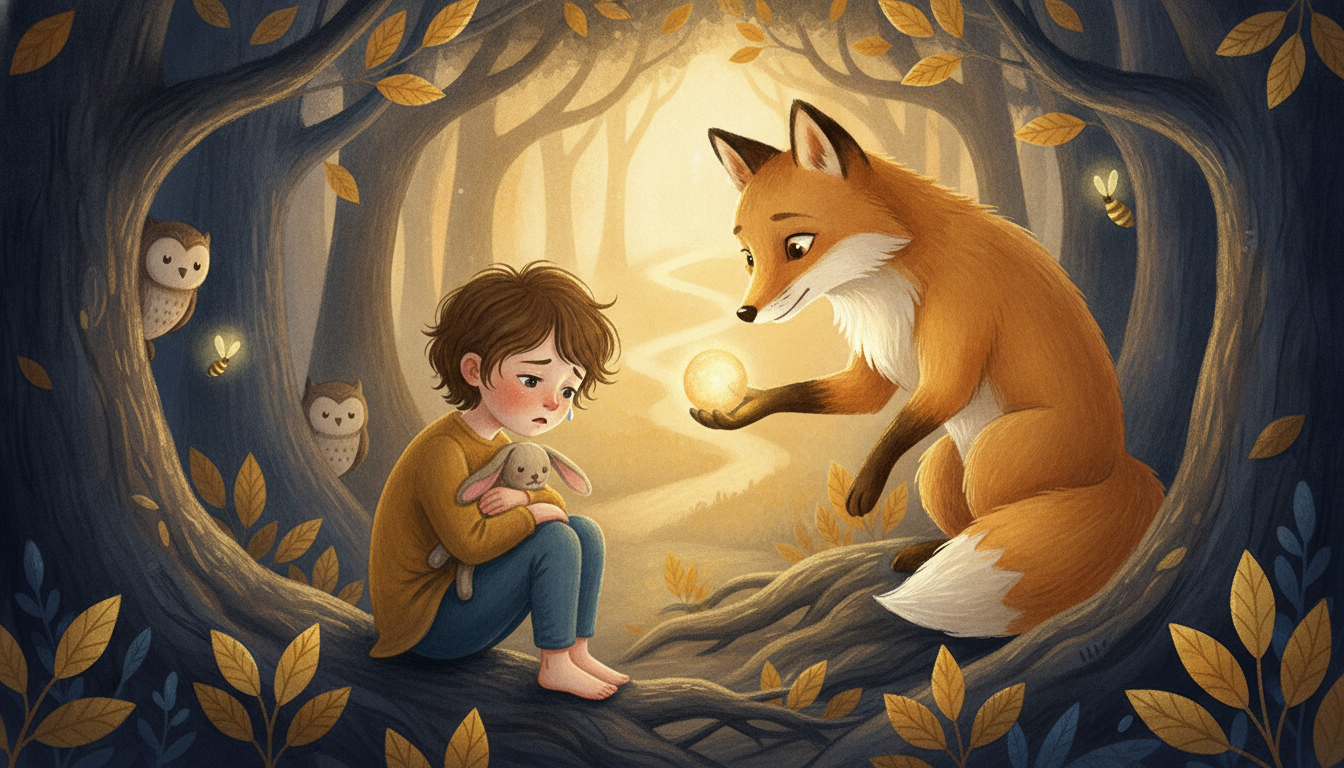
How to Help a Child with Low Self-Esteem
Help your child aged 3-10 build strong self-esteem with FableJar's guide. Get practical tips, understand their feelings, and use bedtime stories to foster confidence.
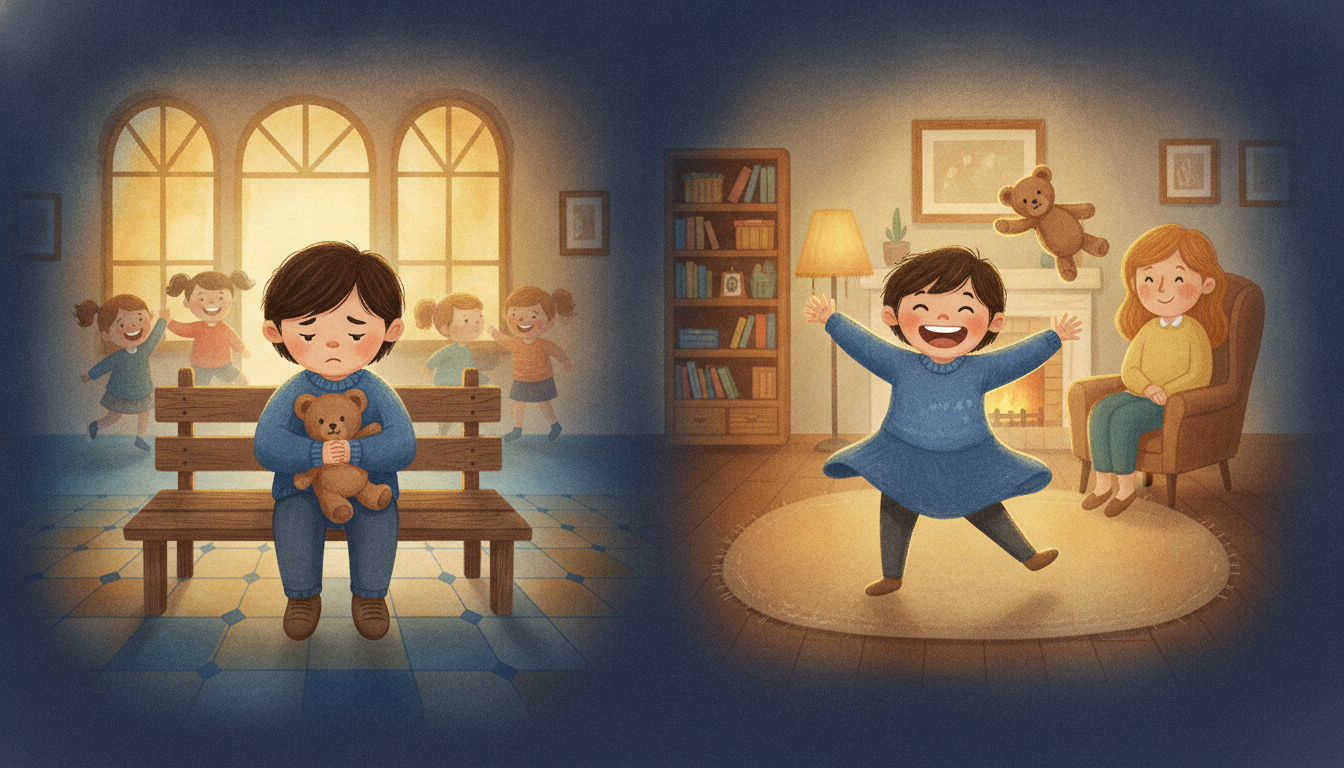
My Child is Shy at School But Not at Home
Is your child a social butterfly at home but shy at school? Understand the reasons behind this common behavior and get actionable strategies to help your child thrive socially.
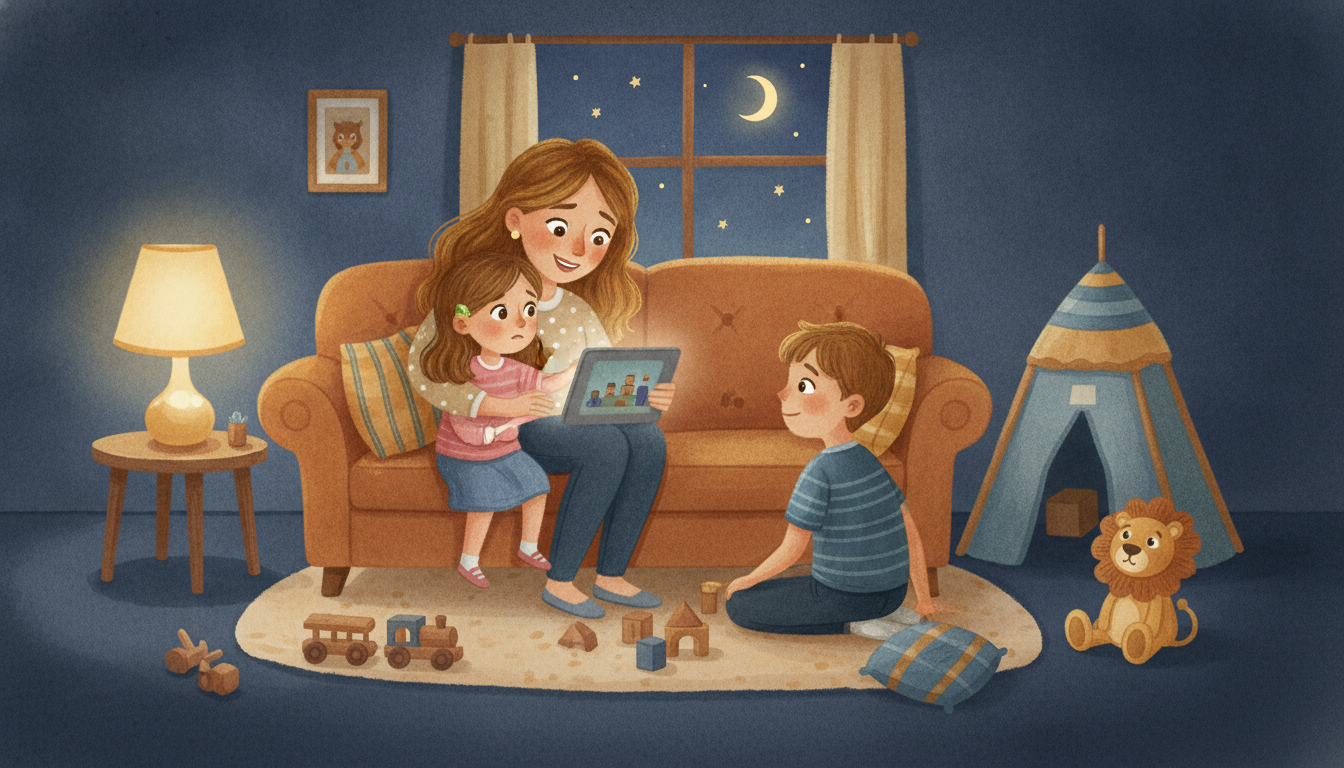
How to Manage Screen Time for Kids
Learn practical, empathetic strategies to manage screen time for kids aged 3-10. Foster healthy digital habits, reduce meltdowns, and reconnect. Discover story-based solutions.
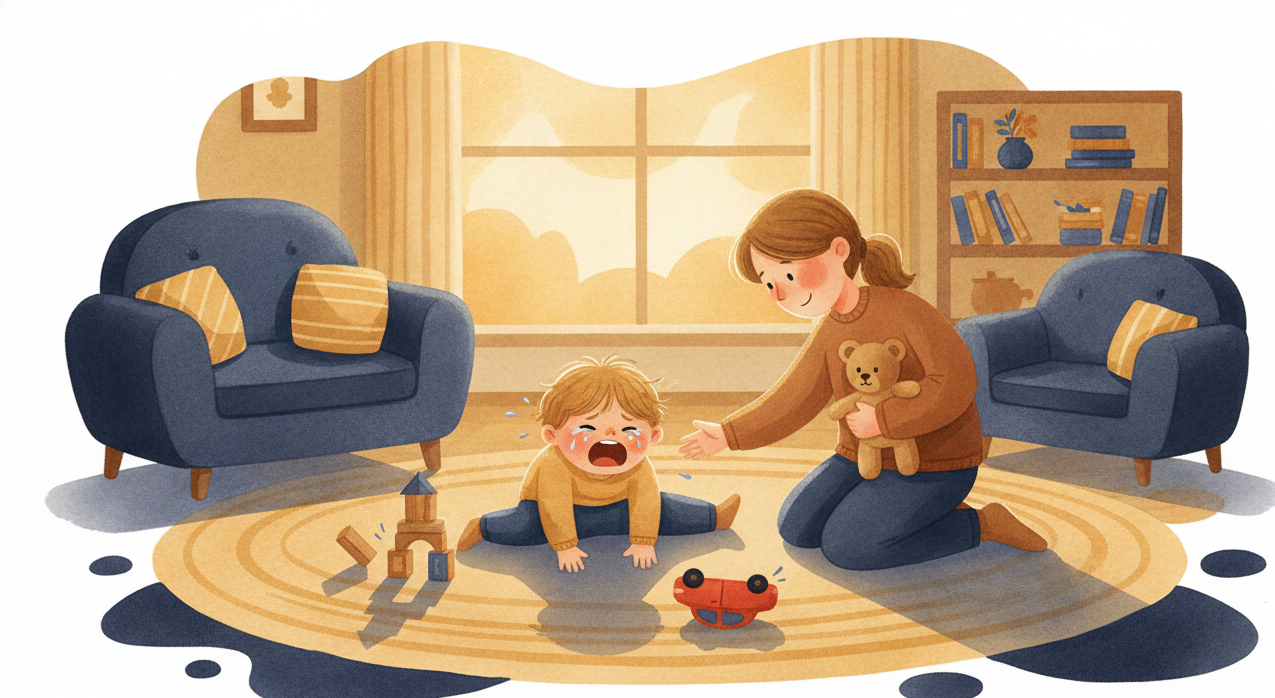
Taming the 4-year old's Temper Tantrums
Navigate 4-year-old temper tantrums with empathy & practical tools. Learn why they happen, what your child feels, and how stories can help. Restore calm tonight.
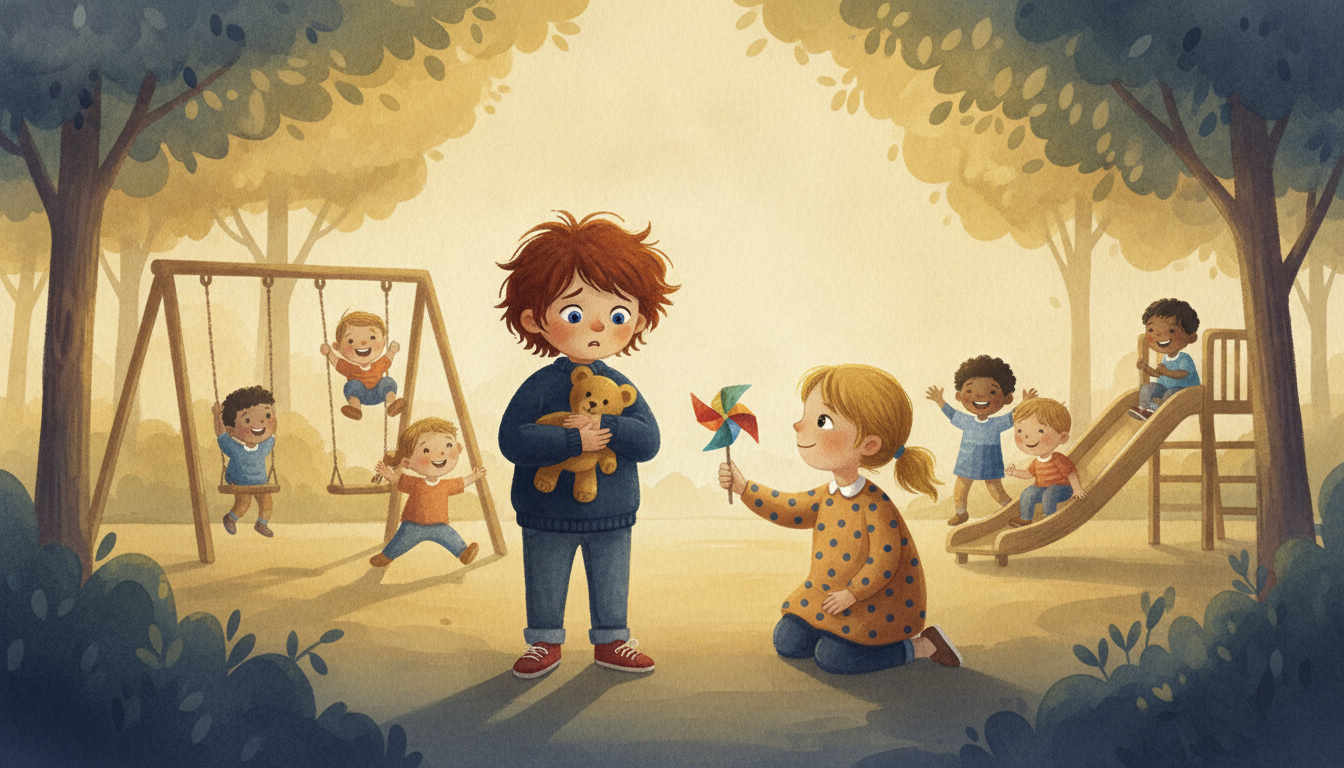
How to Help a Shy Child Socialize
Is your child shy? Learn practical, empathetic strategies to help them socialize, build confidence, and make friends. Discover how stories can transform social anxiety.
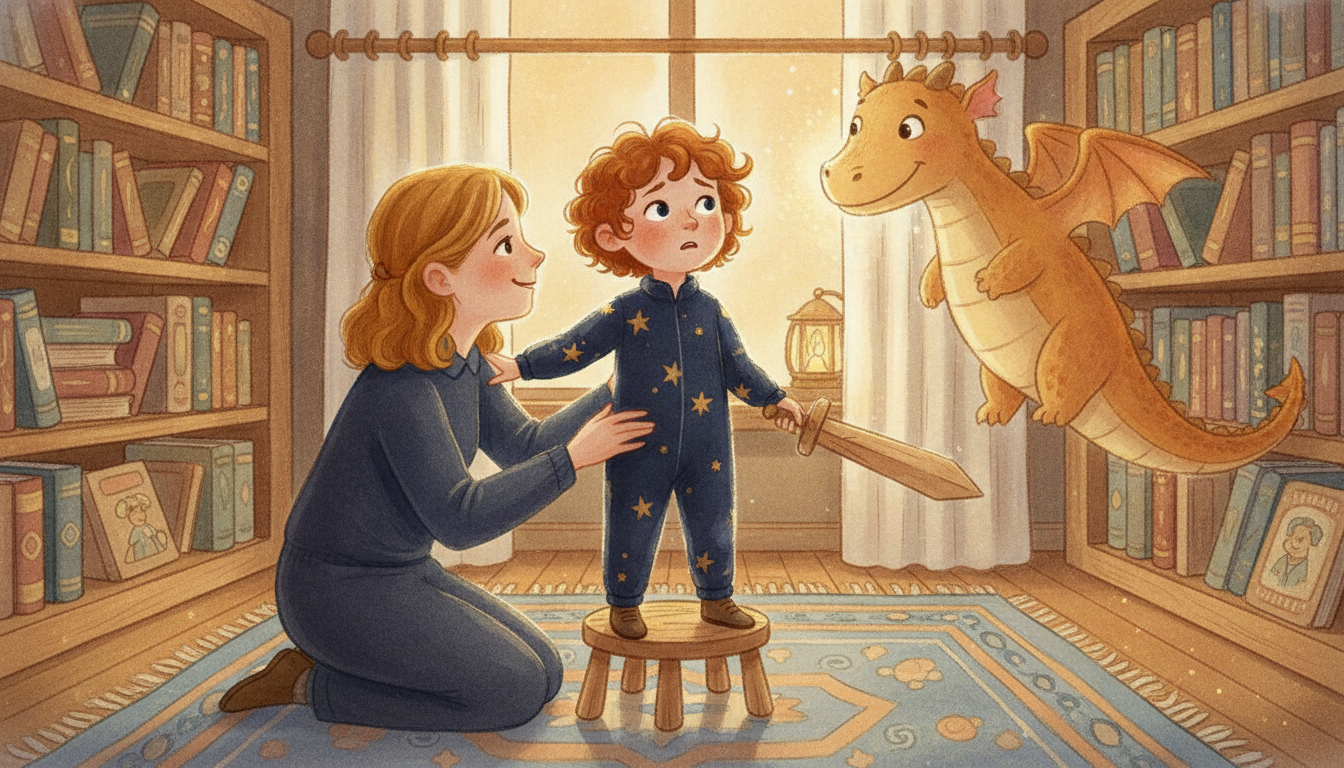
How to Build your Child's Confidence
Discover practical, empathetic strategies to build your child's confidence, from celebrating effort to empowering problem-solving. Help them believe in themselves.
Turn any of these ideas into a story for your child
Every article above is a real challenge a real child faces. Fable Jar turns that challenge into a personalized story — in 60 seconds.
Create Your First Story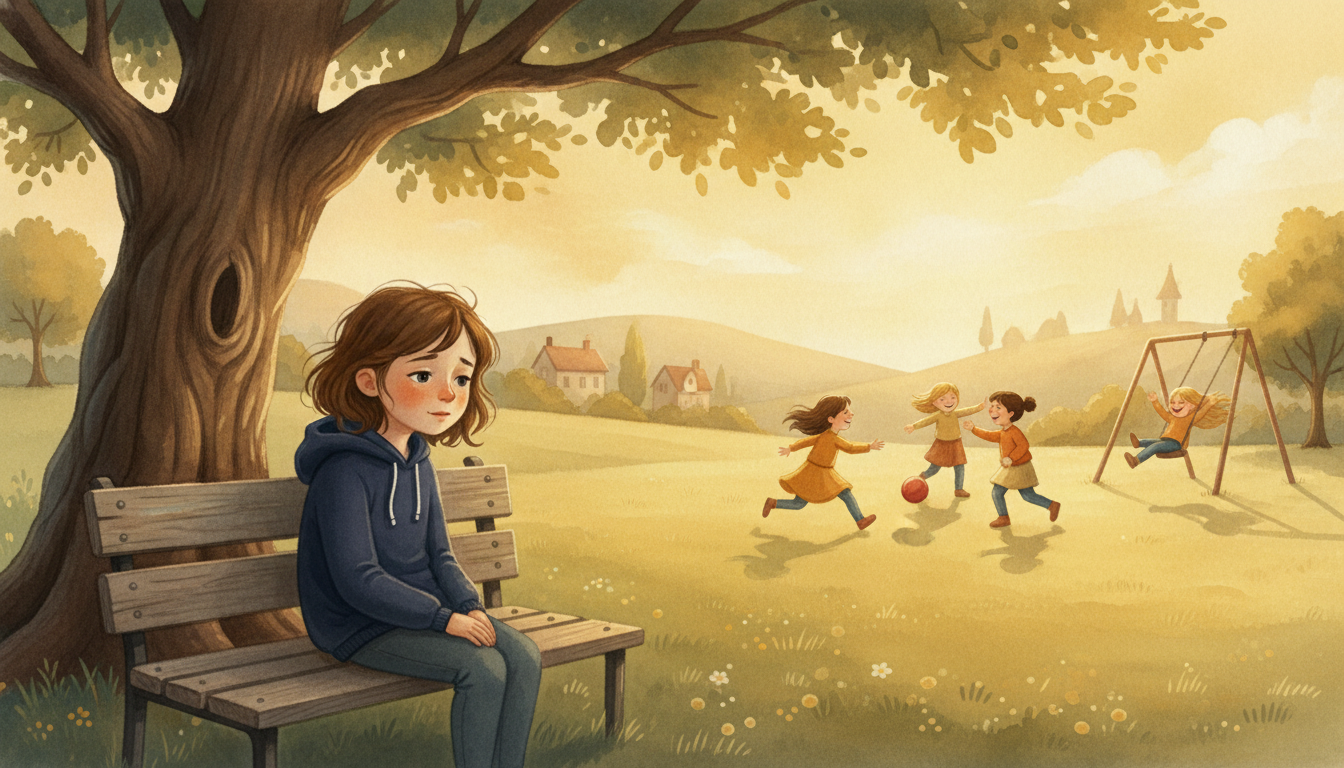
How to Help Your Child Make Friends
Help your child make friends with confidence! FableJar offers empathetic advice and actionable tips for parents to support their 3-10 year olds in building social skills and connections.
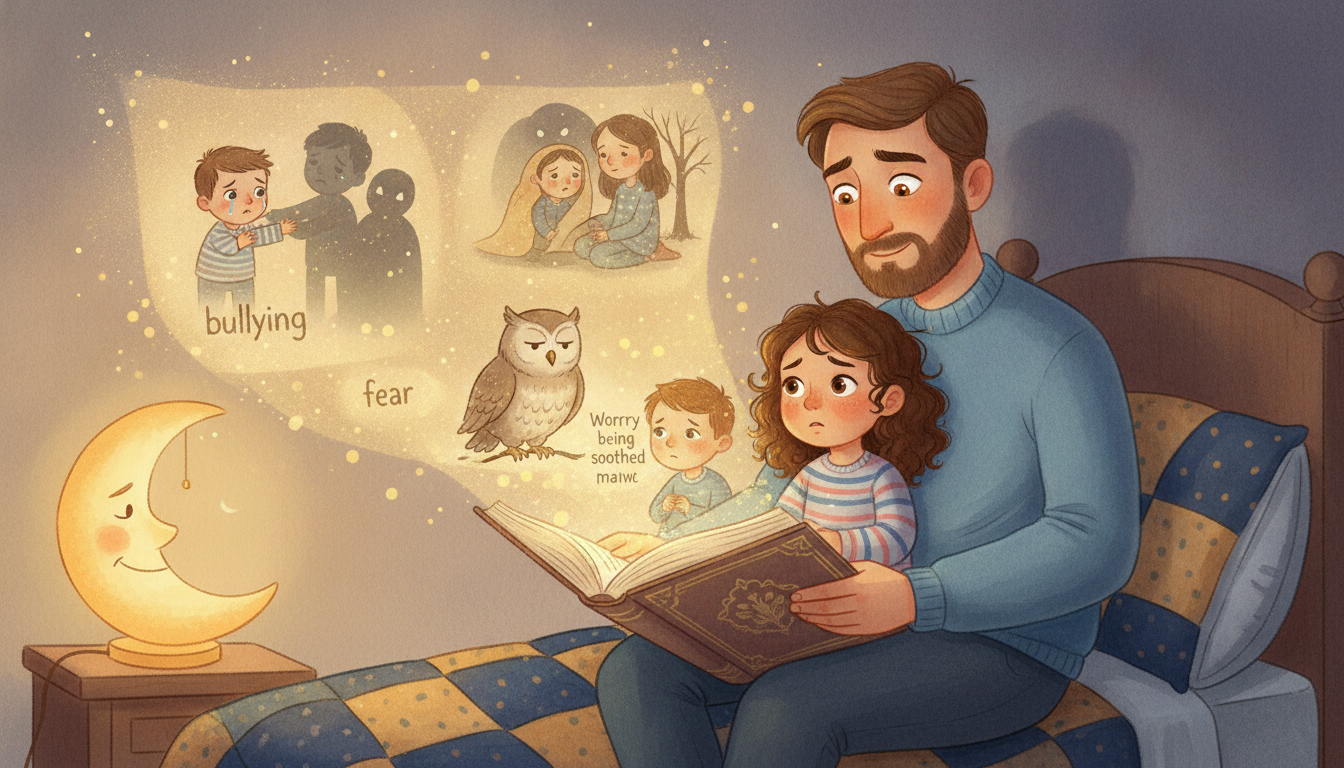
What are the Benefits of Bedtime Stories
Unlock the incredible benefits of bedtime stories for children aged 3-10. Learn how nightly tales boost development, create calm, and deepen family bonds.
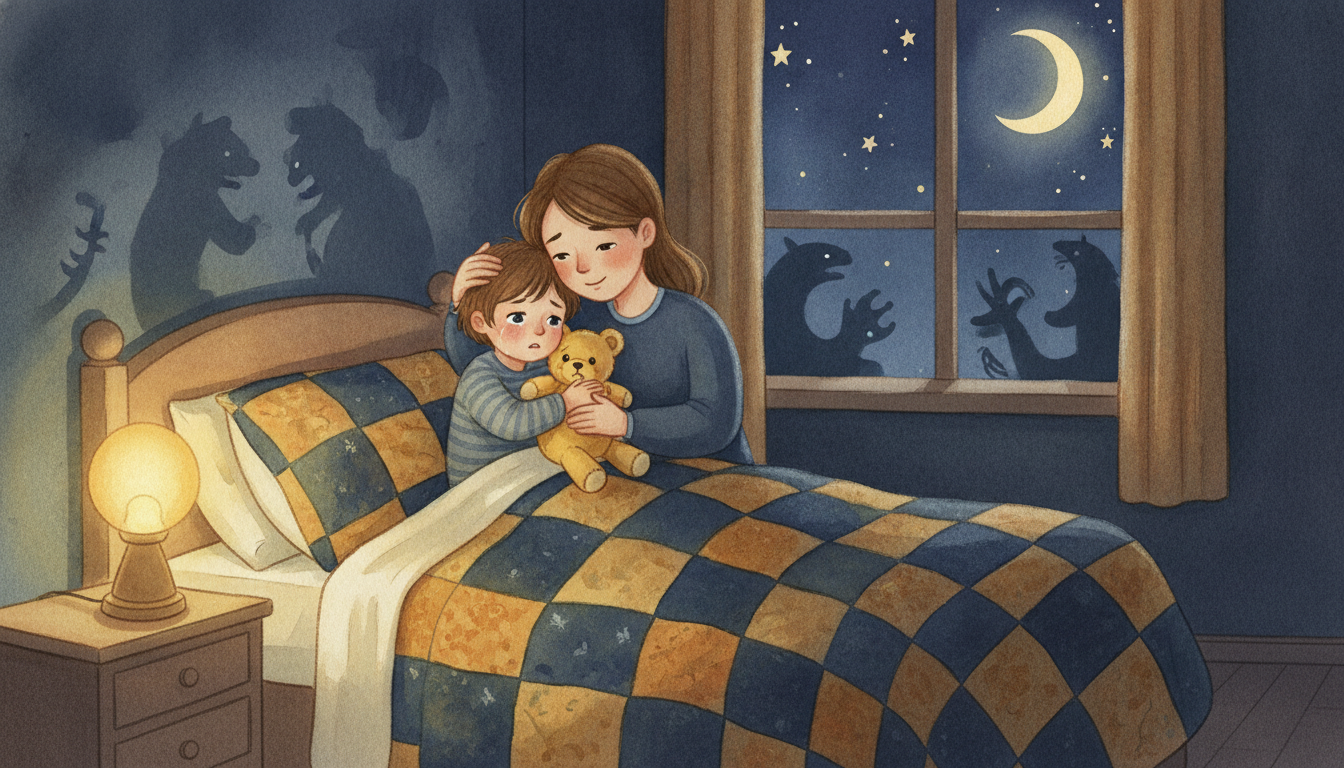
How to Help your Child with Fear of Being Alone
Is your child afraid to be alone? Learn practical, empathetic strategies and empowering bedtime story ideas to help children aged 3-10 overcome their fears.
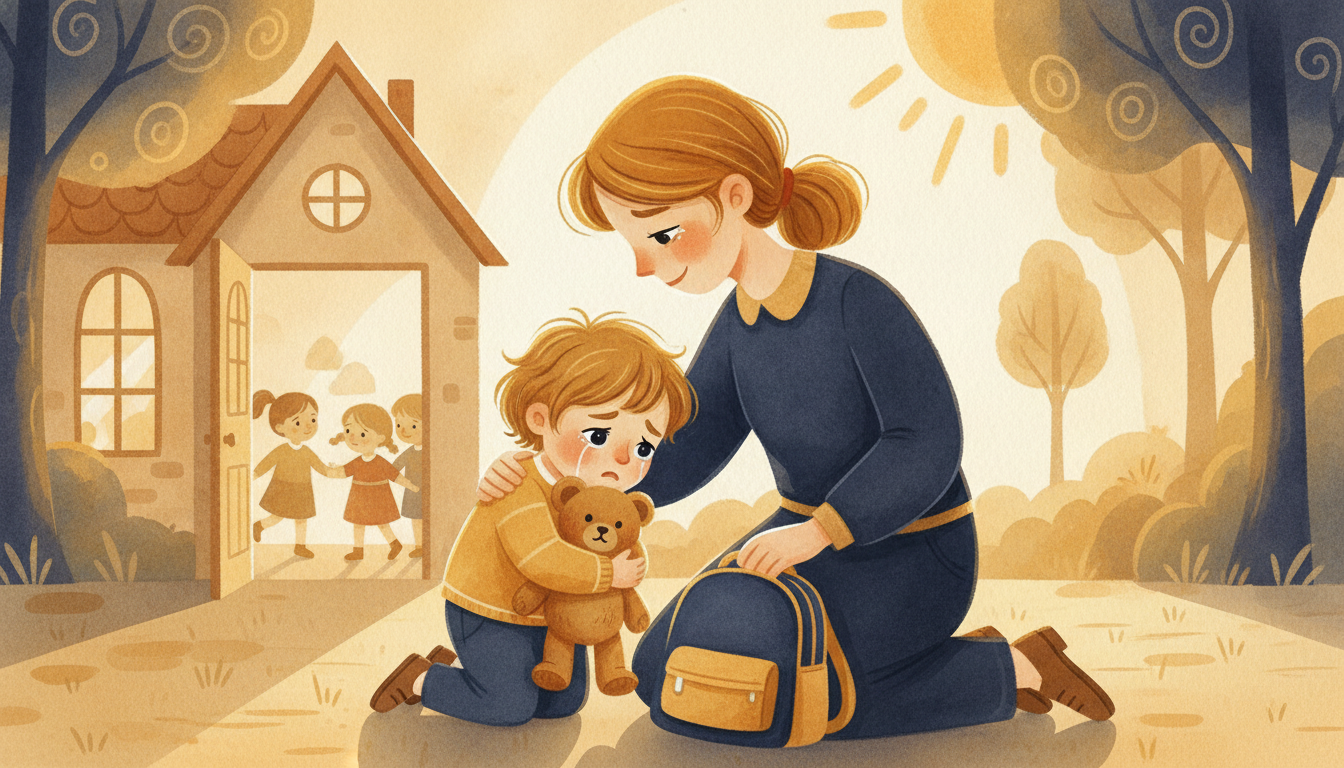
How to Help Your Child with Separation Anxiety
Help your child overcome separation anxiety with FableJar's expert guide. Learn practical tips, understand their fears, and use stories to build confidence and independence.
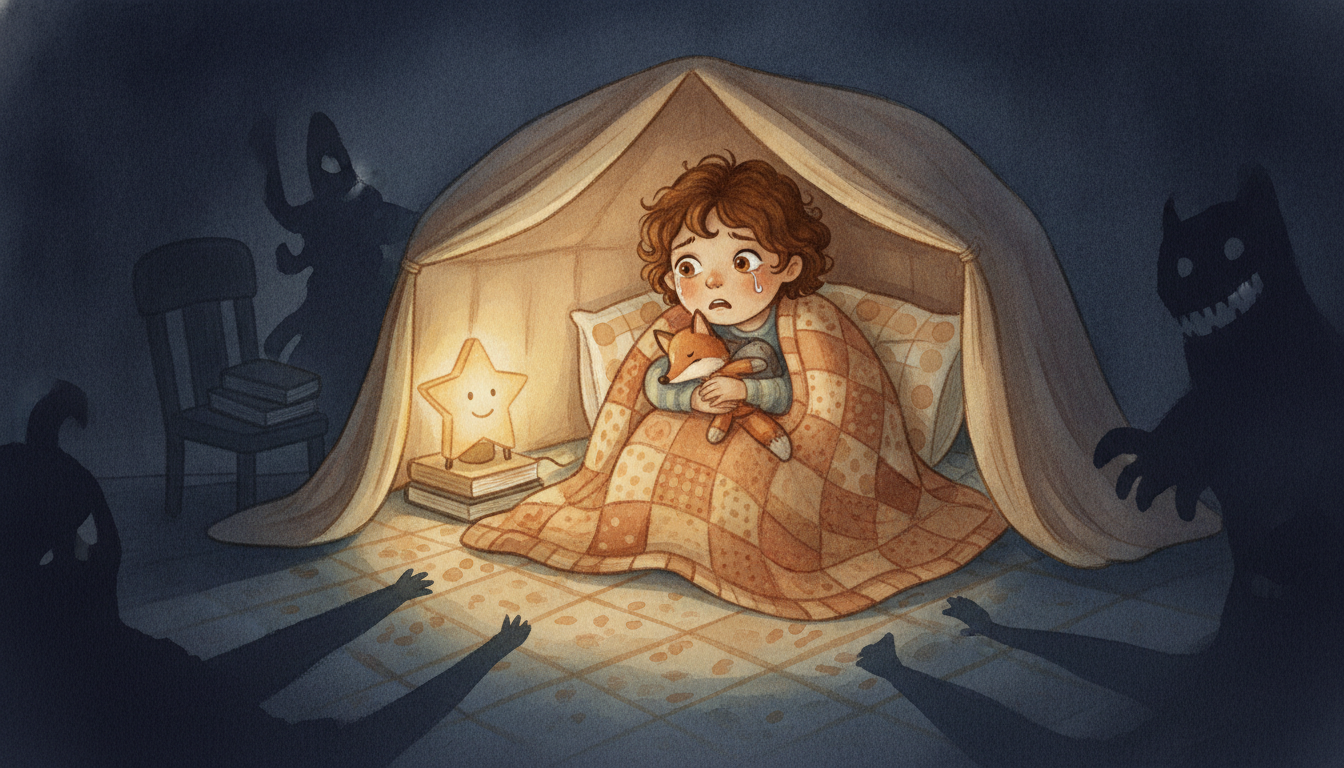
How to Help a Child Who is Scared of the Dark
Help your child conquer fear of the dark with FableJar's empathetic guide. Learn practical tips, understand their fears, and use empowering stories for peaceful nights.
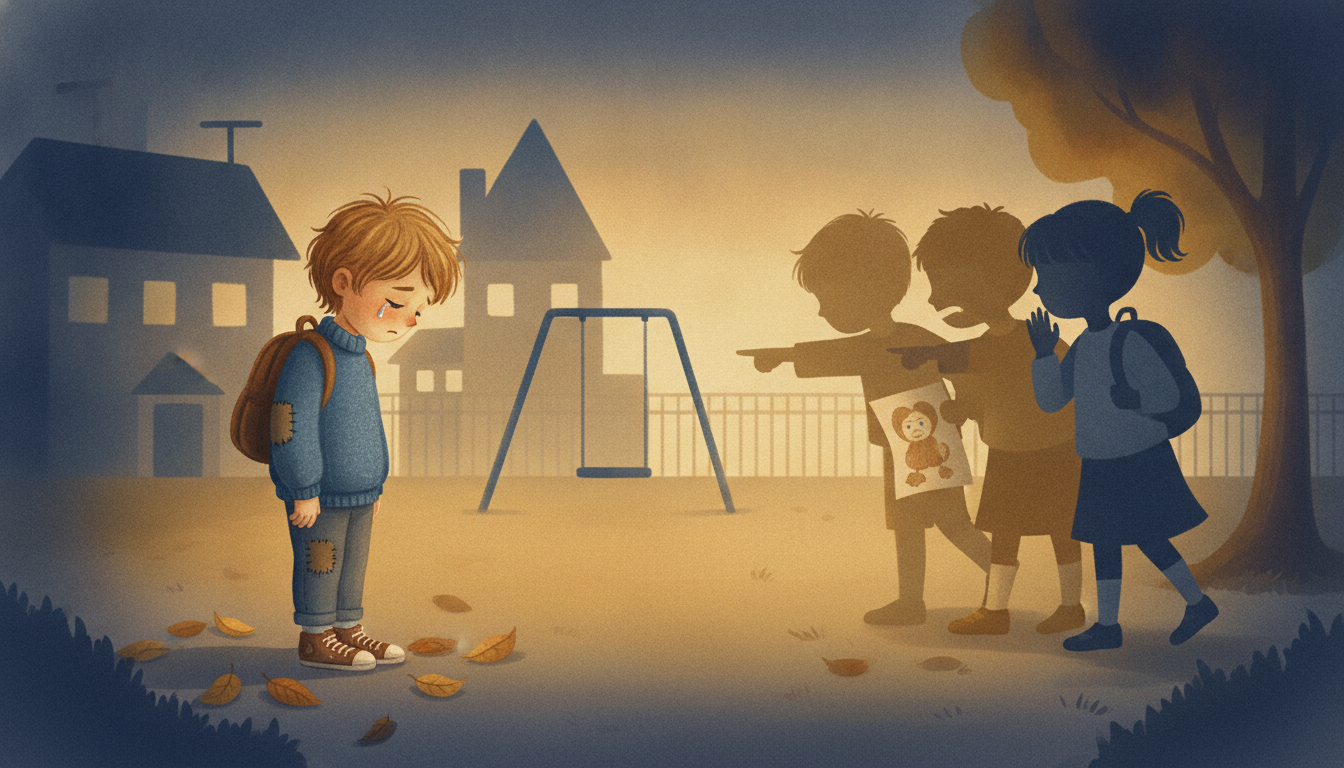
How to Help my Child who is being Bullied at School
Support your child through bullying with FableJar's guide. Learn how to talk, empower, and rebuild confidence. Practical tips & bedtime story ideas for peace.
Why stories work better than advice
Every article above points to the same truth: stories are the most natural way children learn.

Stories bypass resistance
When you tell a child "be brave," they tense up. When a character is brave in a story, they absorb the lesson without even knowing it. Stories teach through experience, not instruction.
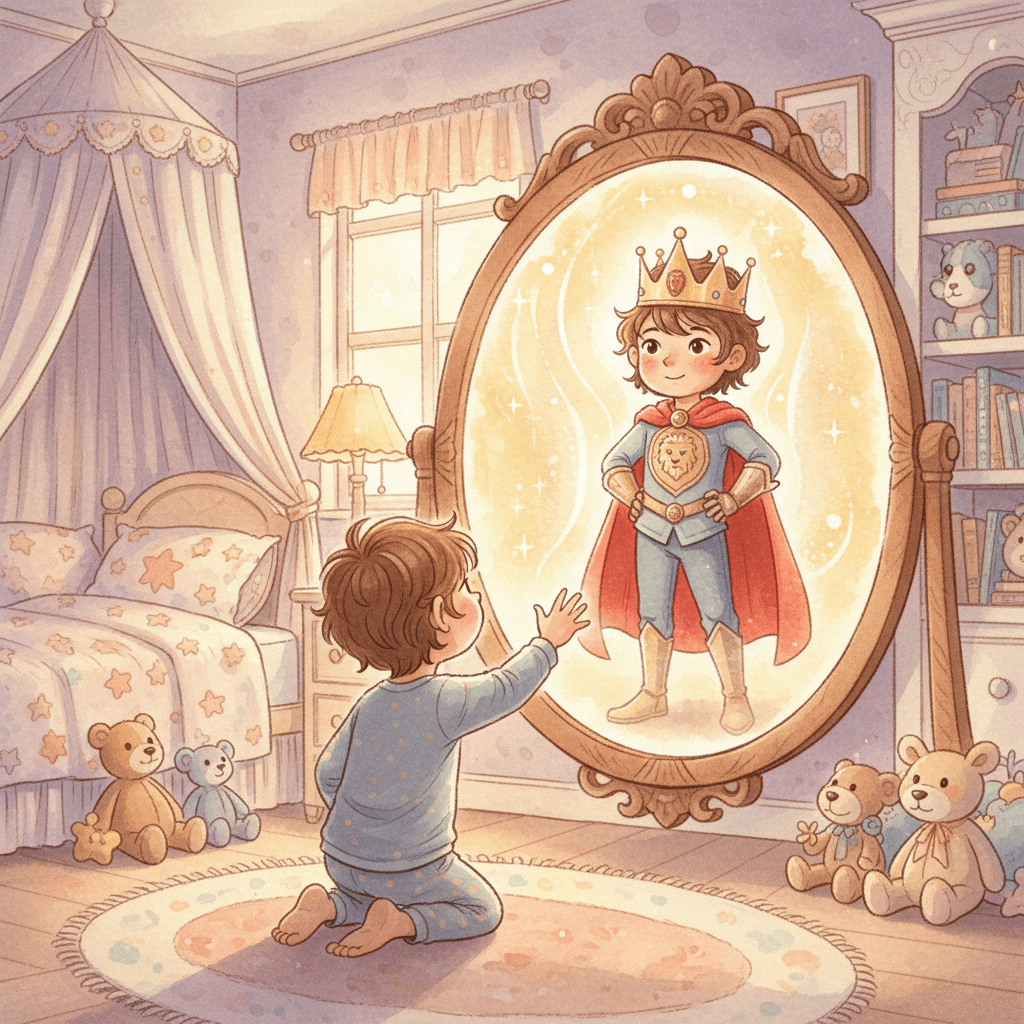
Children see themselves
When a child hears their own name in a story — facing their own challenge — it stops being fiction. It becomes a rehearsal. And rehearsal builds real confidence.
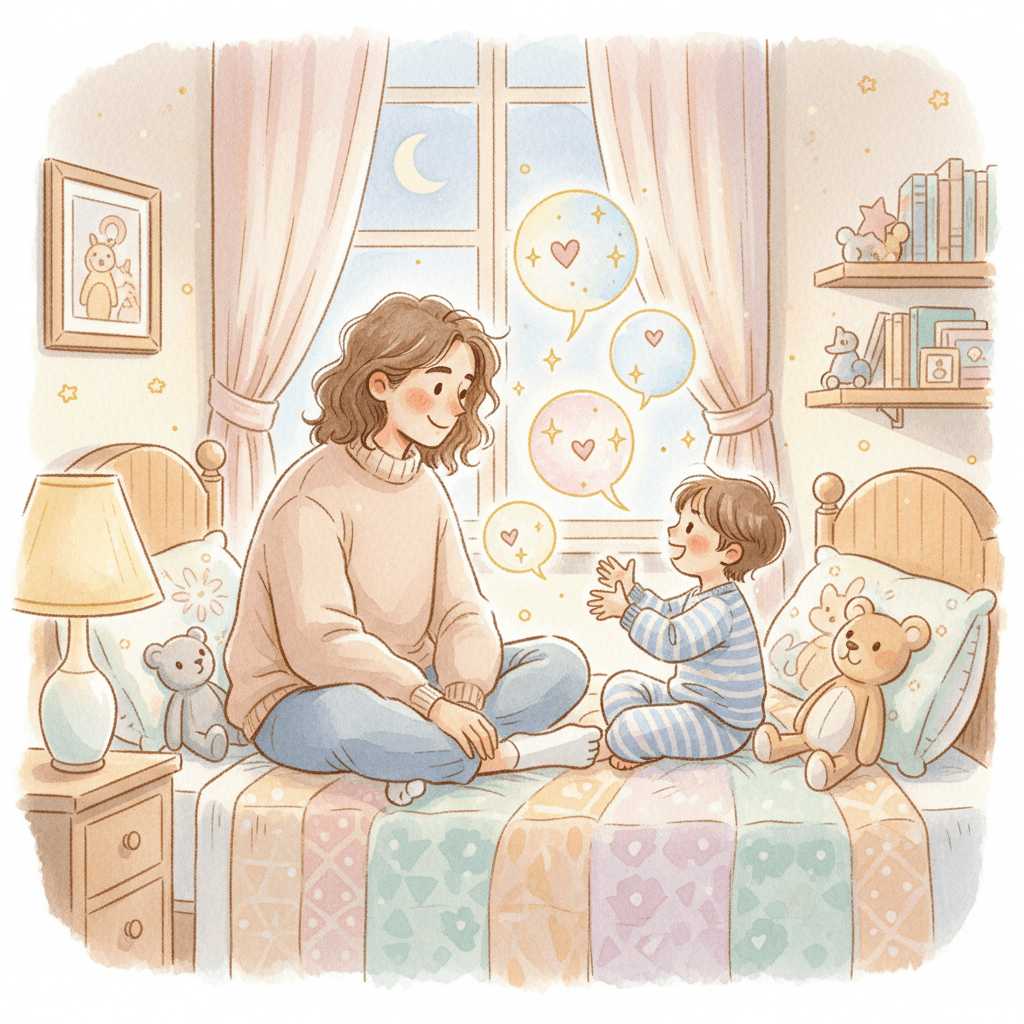
Stories open conversations
After a story, children volunteer feelings they'd never share if asked directly. The story gives them the language and the safety to open up on their own terms.
What parents are experiencing
"My daughter started opening up about her feelings after hearing her story. She said, 'That's what happens to me too, Mom.' I've never been more grateful for an app."
"My son asked for the same story three nights in a row. On the fourth day, he walked up to a kid at school and said hi. The story gave him a script he didn't have before."
"I used to dread bedtime. Now it's our favorite time. The stories have changed how we connect — less lecturing, more listening."
This is what a Fable Jar story looks like
Every article above talks about what stories can do. Here's a real example — a personalized story created for a 6-year-old named Aarav who was struggling to make friends.
Read the Full StoryAarav and the Friendship Fox
Aarav stood at the edge of the playground, watching the other children laugh and play. His backpack felt heavy, and so did his heart. Then a tiny voice came from behind the big banyan tree — it was Kumo the Cloud Fox, and he had a secret mission…
Read full story →Get weekly story ideas for your child
One email a week. Real parenting challenges. Story-based solutions. No spam.
Join 5,000+ parents. Unsubscribe anytime.