Spotting the Signs: Is Your Child Being Bullied at School?
Learn to recognize the subtle and overt indicators that your child might be facing bullying, and discover how to offer powerful support.
The thought of your child being hurt, especially at school, is every parent's deepest fear.
By FableJar Team ·

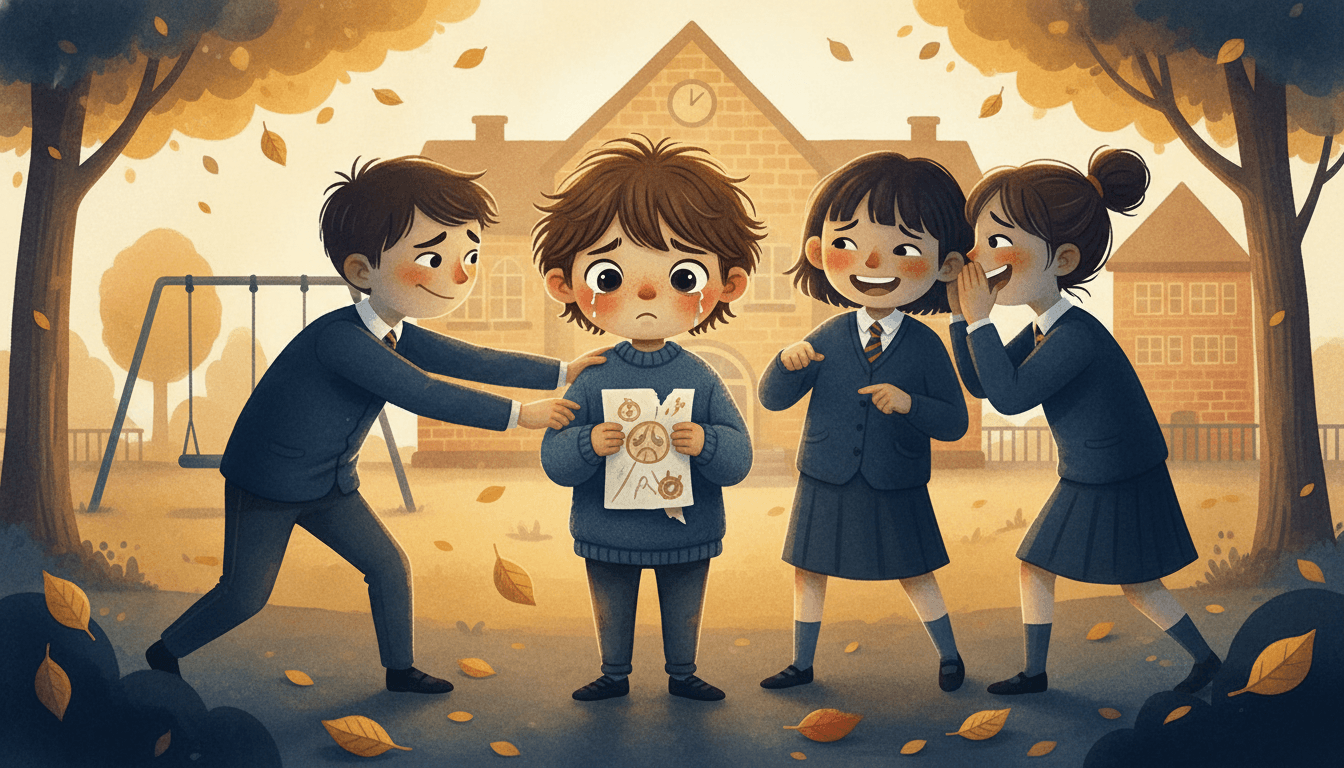
As parents, we cherish our children's happiness and safety above all else. The idea that they might be struggling, especially with something as painful as bullying at school, can fill us with dread and helplessness.
It's a tough truth that children, particularly those aged 3-10, often don't tell us directly when they're being targeted. They might not have the words, or they could feel ashamed, scared, or even believe it's somehow their fault.
This is why understanding the subtle cues and overt changes in their behavior is so incredibly vital. Your awareness, your watchful eye, is truly their first and most crucial line of defense.
No parent ever wants to imagine their child feeling small, scared, or alone, especially when they should be thriving at school.
Why This Happens: Understanding Your Child
Young children often lack the emotional vocabulary to articulate complex feelings like shame, fear, or betrayal. When confronted with bullying, their internal world becomes a confusing and overwhelming mix of these powerful emotions.
They might worry intensely about making things worse by 'telling on' the bully. This fear can be amplified by threats from the bully, or by a child's natural desire to avoid conflict and maintain a sense of normalcy.
Furthermore, children at this age can sometimes internalize the blame. They might genuinely believe that if they were 'different' or 'better' in some way, the bullying wouldn't happen. This heavy burden makes speaking out incredibly difficult.
This internal struggle, the silent battle they fight, often manifests not in direct words, but in noticeable shifts in their actions, their moods, and their daily routines. These are the signals we, as parents, must learn to decode.
What Your Child Is Feeling
Imagine being a small person in a big world, suddenly feeling unsafe and vulnerable in a place that should be secure and filled with joy. A child experiencing bullying often feels a profound loss of control and safety, a deep crack in their sense of well-being.
They might internalize the bully's cruel words, beginning to believe they are 'weird,' 'unpopular,' or 'not good enough.' This can lead to deep-seated anxiety, a pervasive sense of isolation, and even a questioning of their own fundamental self-worth.
The school environment, once a place of learning and friendship, transforms into a source of dread. Every morning can bring a knot in their stomach, a silent plea for the day to be over before it even begins. This emotional toll is immense.
Bullying doesn't just hurt the body; it leaves invisible wounds on a child's spirit and self-esteem.
What You Can Do: Practical Steps
Recognizing the signs is the first, crucial step in protecting your child. But what comes next? Here are actionable ways you can create a safe space for your child, encourage open communication, and begin to address the situation with empathy and wisdom.
Observe Sudden Changes in Behavior
Be vigilant for unexpected shifts in your child's usual demeanor. This could include increased irritability, withdrawal from activities they once loved, or a general, unexplained reluctance to participate in school or social events. These changes are often a cry for help.
Listen Actively and Empathetically
If your child does open up, create a safe, non-judgmental space. Validate their feelings with phrases like, 'That sounds really hard' or 'I understand why you feel sad.' Avoid immediately jumping to solutions or dismissing their experience, as this can shut down future communication.
Watch for Unexplained Physical Symptoms
Stress from bullying can manifest physically. Look for frequent, unexplained headaches or stomachaches, changes in eating habits (loss of appetite or overeating), difficulty sleeping, nightmares, or even a return to earlier behaviors like bedwetting. These are often the body's way of signaling distress.
Notice School Avoidance and Reluctance
A significant red flag is a sudden, persistent aversion to school. Does your child complain about school every morning? Do they frequently feign illness, develop 'Sunday night blues,' or try to find excuses to stay home? This strong desire to avoid school points to a problem they face there.
Check for Damaged or Missing Belongings
Bullies often target a child's possessions as a way to exert power. Look for torn clothes, lost lunchboxes, broken toys, or missing homework without a clear and reasonable explanation. These incidents can be subtle indicators of intimidation or theft.
Monitor Social Withdrawal and Isolation
A child who was once social might suddenly isolate themselves, avoid friends, or stop talking about school friends and activities. They might also have fewer invitations to playdates or seem to lose interest in social interactions, signaling a struggle with peer relationships.
Look for Signs of Injury or Neglect
While less subtle, unexplained bruises, scratches, or torn clothing, especially if your child is vague or secretive about how they happened, are serious warning signs. Also, notice if they seem unkempt or have hygiene issues they didn't have before, which can sometimes be a sign of emotional distress or intimidation.
How Bedtime Stories Can Help
Bedtime stories are far more than just a routine; they are a powerful, safe, and imaginative space for exploration and emotional processing. Through the gentle narrative of a story, children can navigate complex feelings and challenges without the direct pressure of talking about their own personal, painful experiences.
By creating characters who face similar difficulties—a shy rabbit learning to speak up, a brave bear discovering how to handle a grumpy squirrel—stories can help your child feel profoundly understood.
They can build resilience, offer a sense of hope, and even allow your child to rehearse positive coping strategies in a low-stakes, comforting environment.
This indirect approach can be incredibly effective when direct conversation feels too daunting or overwhelming for a child. Stories provide a bridge, a gentle hand to guide them toward understanding and empowerment.
Leo and the Whispering Woods
In the heart of Sunny Meadow lived a curious little fox named Leo. Every morning, Leo loved scampering to the Whispering Woods to play with his friends, Flora the squirrel and Pip the rabbit. But lately, a grumpy badger named Grumbles had started waiting by the big oak tree, blocking the path.
Grumbles would puff out his chest and say mean things, like, 'Only the bravest can pass!' or 'Your fur is too orange!' Leo’s tummy would do flip-flops, and he'd often find himself taking the long, thorny path, missing out on playtime. One night, Leo told his mama about the thorny path, but not about Grumbles. His mama, a wise old fox, listened carefully. 'Sometimes,' she said gently, 'the hardest paths lead to the bravest choices, especially when you have friends by your side.'
The next day, as Grumbles started his usual taunts, Leo remembered his mama's words. He looked at Flora and Pip, who were hiding behind him. Taking a deep breath, Leo said, 'Grumbles, the woods are for everyone. Your words don't make you brave; they just make us sad.'
Create Your Child's Story FreeMoving Forward
Spotting the signs of bullying in your child is undeniably tough, often heart-wrenching. But remember, you are not alone in this journey, and most importantly, neither is your child. Your attentive presence, your unwavering love, and your calm, supportive response are the most potent tools in their arsenal.
By being vigilant, listening with an open heart, and proactively using powerful tools like imaginative storytelling, you can help your child navigate these difficult waters. You can empower them to find their voice, reclaim their sense of safety, and ultimately, restore their joyful, confident spirit.
Help Your Child Through Stories
Every night, FableJar creates a personalised bedtime story where your child is the hero — helping them work through the exact challenge you're facing.
Create a Free StoryNo credit card required. First story is free.
Get weekly story ideas for your child
One email a week. Real parenting challenges. Story-based solutions. No spam.
Join 5,000+ parents. Unsubscribe anytime.
Keep reading
A Simple Way to Build Confidence in Kids Every Night
Confidence isn't built in big moments. It's built in small ones — like hearing yourself succeed in a story.
What to Do When Your Child Is Afraid of the Dark
Telling them 'there's nothing there' doesn't work. Here's what does — and how a story can reframe the dark.
How to Talk to Kids About Bullying (That Actually Works)
Most anti-bullying talks go over kids' heads. Stories that model real responses give them tools they can use.