How to Manage Screen Time for Kids
Navigate the digital world with confidence, fostering balance and connection instead of conflict and endless screen battles.
Are you tired of feeling like the 'screen police,' constantly battling devices instead of connecting with your child?
By FableJar Team ·

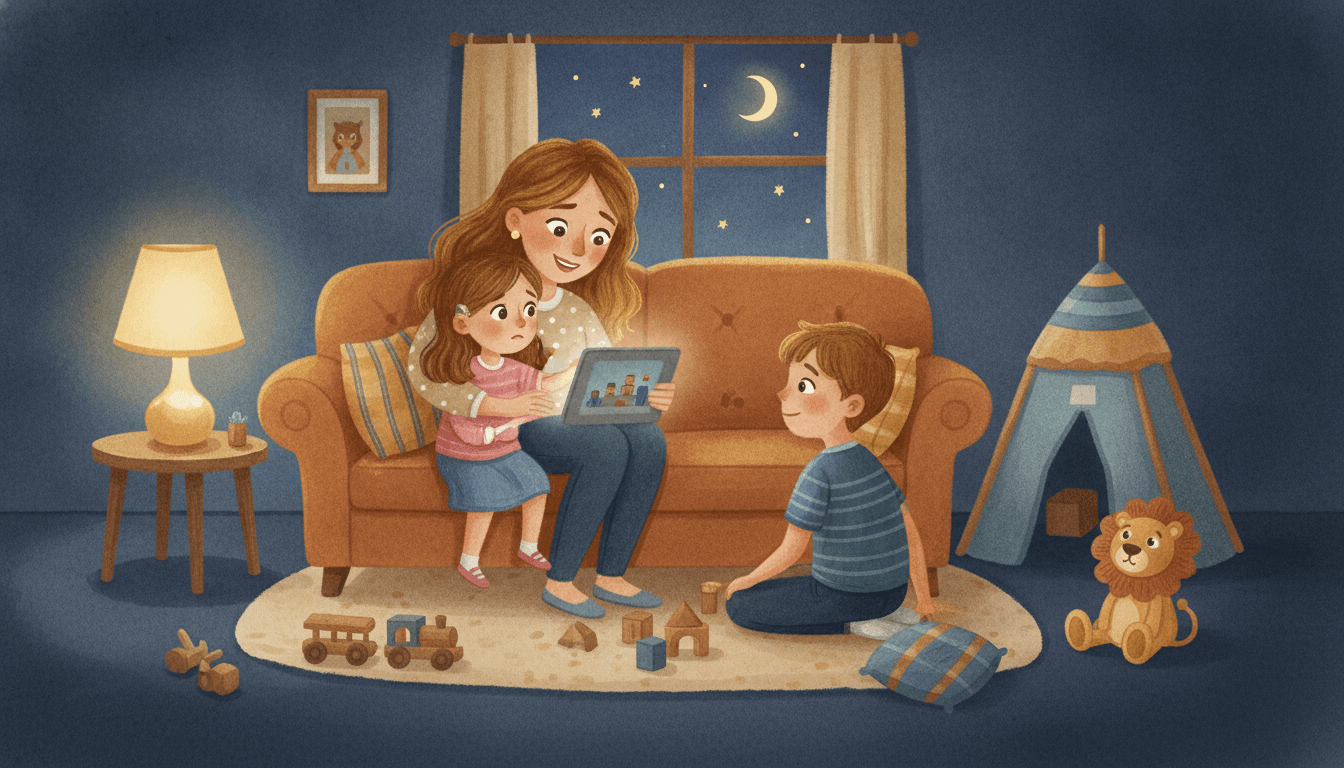
The glow of screens is everywhere, and for parents like you, it often feels like an uphill battle. You’re not alone if you find yourself questioning: how much is too much? Am I doing this right? Why is it so hard to just turn it off?
This modern parenting dilemma brings with it a unique set of challenges. The guilt, the frustration, the endless negotiations – it can feel overwhelming, detracting from the joy of family life.
We understand this struggle deeply. It's not a reflection of your parenting, but rather a universal challenge in our increasingly digital world. This post is here to offer you practical, empathetic guidance.
Feeling like you're constantly battling screens, only to lose precious family moments and your child's attention?
Why This Happens: Understanding Your Child
To effectively manage screen time, we first need to understand *why* screens are so captivating, especially for young minds. It’s not just about entertainment; it’s about brain chemistry.
Screens, with their bright colors, fast-paced action, and instant rewards, trigger a dopamine rush in a child’s developing brain. This powerful neurochemical creates a strong sense of pleasure and motivation, making them crave more.
This constant stream of instant gratification can make real-world activities seem dull by comparison. Playing with blocks or reading a book requires more effort and offers delayed rewards, which can be less appealing.
Furthermore, children aged 3-10 are still developing crucial self-regulation skills. Their prefrontal cortex, responsible for impulse control and decision-making, is not yet fully mature.
This means they genuinely struggle to stop an activity they find highly stimulating, even when they know they should. It’s not defiance; it’s a developmental stage.
What Your Child Is Feeling
When you tell your child it’s time to turn off the tablet, their reaction might be a meltdown, anger, or deep frustration. For them, it can feel like a sudden, unfair loss.
They might feel misunderstood, believing you don't appreciate how much fun they're having or how important this game or show is to them. It's their world, and you're abruptly pulling them out of it.
For some children, screens are also a way to unwind or connect with friends through games. Taking that away without a clear, appealing alternative can leave them feeling bored, anxious, or isolated.
They lack the foresight to understand the long-term benefits of limited screen time, like better sleep or improved social skills. In the moment, it's simply a painful disruption.
Managing screen time isn't about outright banning; it's about teaching balance, fostering healthy digital habits, and prioritizing connection in a digital world.
What You Can Do: Practical Steps
Navigating screen time requires a blend of empathy, consistency, and creative problem-solving. Remember, this is a journey, not a destination. Small, consistent steps will lead to lasting change.
Establish Clear, Consistent Boundaries
Children thrive on predictability. Set clear rules about *when*, *where*, and *how long* screen time is allowed. Use visual timers, designated 'screen-free zones' (like the dinner table or bedrooms), and stick to these rules daily.
Model Healthy Screen Habits Yourself
Your child learns primarily by observing you. Be mindful of your own screen use. Put your phone away during family meals, conversations, and playtime. Demonstrate that there's a world beyond the screen, and you enjoy it too.
Prioritize Connection and Engaging Alternatives
Don't just take away screens; offer exciting alternatives. Plan outdoor adventures, engage in creative play, read books together, or try a new board game. Fill their time with activities that foster imagination, physical movement, and real-world interaction.
Implement a 'Screen Time Budget' or Earned Time
Instead of a free-for-all, treat screen time as a privilege. Children can 'earn' screen minutes by completing chores, reading for a certain period, or engaging in other non-screen activities. This teaches valuable lessons about effort and reward.
Create a 'Landing Strip' for Smooth Transitions
Abruptly ending screen time often leads to meltdowns. Give ample warnings ('5 more minutes!'), use a visual timer, and offer a choice of what they'll do next (e.g., 'When the timer goes off, will you build LEGOs or draw?'). This helps them prepare mentally.
Be Present and Engage with Their Digital World
Sometimes, join them! Watch a show together or play a game side-by-side. This offers a chance to discuss content, teach critical thinking, and build connection. It also helps you understand their interests and can make transitions easier when you've shared the experience.
How Bedtime Stories Can Help
In a world saturated with digital stimuli, bedtime stories offer a powerful antidote. They provide a calm, screen-free wind-down routine that naturally shifts your child's focus from flashing lights to the gentle hum of imagination.
Unlike passive screen consumption, storytelling is an active engagement. It encourages your child to visualize, create their own mental images, and actively listen, stimulating different parts of their brain.
Stories can also be a wonderful tool for processing emotions and understanding boundaries. Characters in stories can model healthy choices, learn about balance, and discover the joys of the world beyond screens.
By making your child the hero of their own tale, you can gently introduce themes of self-control, the excitement of outdoor play, or the satisfaction of earning rewards – all in a way that feels personal and inspiring.
Leo's Great Outdoor Adventure
Leo loved his tablet more than anything. Every morning, before even saying 'hello' to his teddy bear, he'd reach for it. Bright colors and exciting sounds filled his world, making time fly by like a speedy rocket.
One sunny afternoon, Mom suggested a 'no-screen treasure hunt' in the garden. Leo grumbled. 'But my game is almost finished!' he whined. Mom smiled. 'This treasure is extra special, Leo. It's made of sunshine and secrets.'
Reluctantly, Leo followed. He kicked at a pebble, then spotted a shimmering beetle under a leaf. He watched it scurry, then saw a tiny ladybug climbing a blade of grass. Soon, his eyes weren't on a screen, but on a whole new, buzzing world right outside his door. He found a feather, a smooth grey stone, and a perfectly shaped leaf. Each discovery felt like a real-life level up, and he didn't even miss his game.
Create Your Child's Story FreeMoving Forward
Managing screen time is one of the most significant parenting challenges of our generation. It requires patience, consistency, and a willingness to adapt as your child grows and technology evolves.
Remember, you're not aiming for perfection, but for progress. Celebrate the small wins, be kind to yourself on tough days, and always prioritize connection over control.
By setting thoughtful boundaries and offering rich, engaging alternatives – like the magic of a personalized bedtime story – you are guiding your child towards a balanced, imaginative, and fulfilling childhood.
Help Your Child Through Stories
Every night, FableJar creates a personalised bedtime story where your child is the hero — helping them work through the exact challenge you're facing.
Create a Free StoryNo credit card required. First story is free.
Get weekly story ideas for your child
One email a week. Real parenting challenges. Story-based solutions. No spam.
Join 5,000+ parents. Unsubscribe anytime.
Keep reading
A Simple Way to Build Confidence in Kids Every Night
Confidence isn't built in big moments. It's built in small ones — like hearing yourself succeed in a story.
What to Do When Your Child Is Afraid of the Dark
Telling them 'there's nothing there' doesn't work. Here's what does — and how a story can reframe the dark.
How to Talk to Kids About Bullying (That Actually Works)
Most anti-bullying talks go over kids' heads. Stories that model real responses give them tools they can use.