How to Help Your Child with Separation Anxiety
Discover empathetic strategies and practical steps to help your child navigate the fears of goodbyes and build independence.
That wrenching feeling when your child clings, tears streaming, as you try to leave – it's heartbreaking for both of you.
By FableJar Team ·

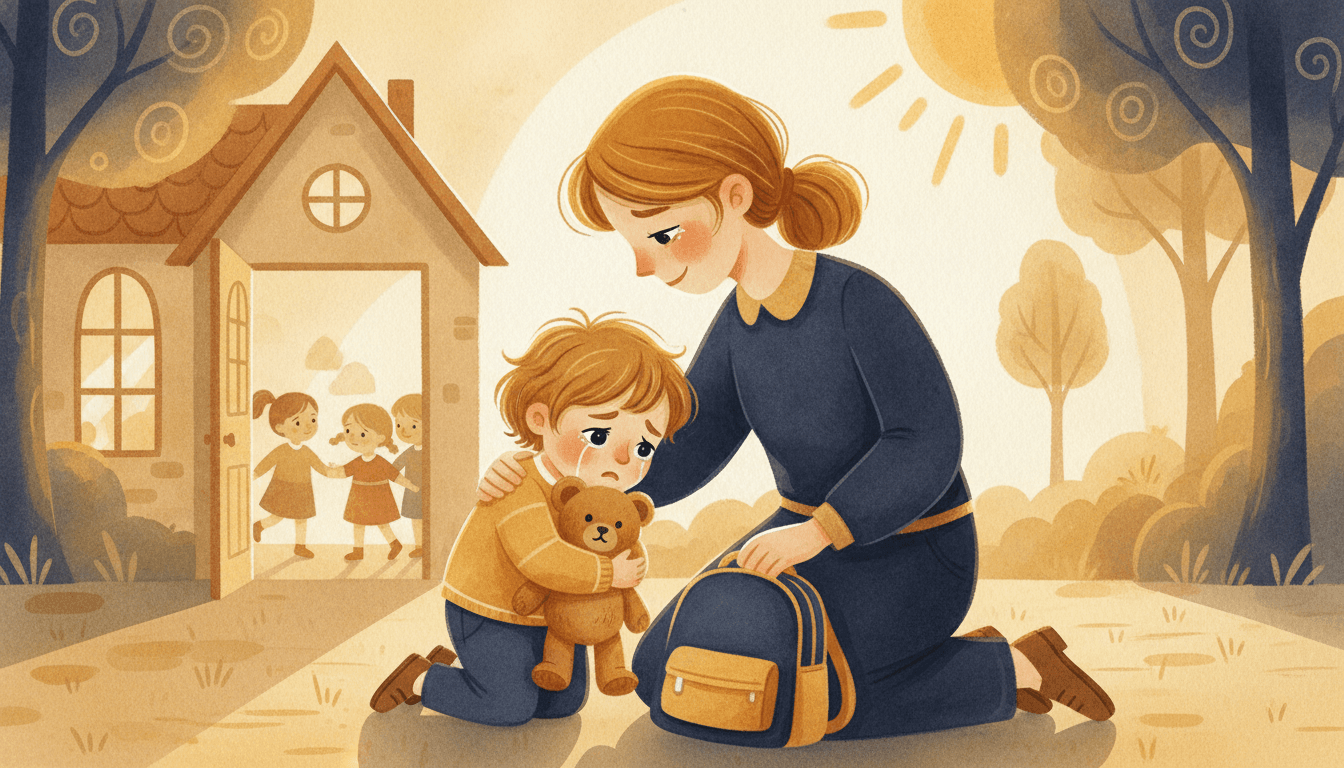
The morning rush, the school drop-off, or even just leaving for an evening out can sometimes feel like navigating a minefield. For many parents, the sight of their child’s tears and desperate pleas to stay is a familiar, painful experience.
This isn't just a toddler phase; separation anxiety can surface and resurface throughout childhood, making goodbyes incredibly difficult for both you and your little one.
It’s a natural part of development, yet when it lingers or intensifies, it can leave parents feeling helpless, guilty, and utterly exhausted. You want to support them, but you also need to live your life. Finding that balance feels impossible sometimes.
Watching your child struggle with goodbyes can be one of the most heart-wrenching parts of parenting.
Why This Happens: Understanding Your Child
Separation anxiety is a normal developmental stage, often peaking in toddlers but capable of resurfacing in children aged 3-10, especially during times of change or stress. It's fundamentally rooted in a child's deep attachment to their primary caregivers.
For children, particularly younger ones, the concept of time is fluid. A few hours apart can feel like an eternity, and the fear that you might not return is very real to them. Their world revolves around your presence, and your absence can feel like a profound loss of security.
This anxiety can be triggered by various factors: starting a new school, a new caregiver, a move, family changes, or even just feeling unwell or tired. Sometimes, there's no obvious trigger at all, which can be even more perplexing for parents trying to help.
What Your Child Is Feeling
When your child is clinging to you, crying, or refusing to let you leave, they are not being manipulative. They are experiencing genuine distress. Their emotions can range from deep sadness and fear to a sense of abandonment or confusion about why you're leaving them.
They might worry about what will happen to them, or what will happen to you while you're apart. This can manifest as tummy aches, headaches, or even nightmares. Their little bodies are reacting to big, overwhelming feelings they don't yet have the words or coping skills to manage.
Understanding that their fear is real, not a tactic, is the first step. It shifts our response from frustration to empathy, allowing us to approach the situation with patience and understanding, which is exactly what they need most.
Your child's tears at goodbye aren't a sign of defiance; they're a cry for reassurance and a testament to their deep love for you.
What You Can Do: Practical Steps
Navigating separation anxiety requires a blend of empathy, consistency, and practical strategies. These aren't quick fixes, but consistent application will gradually build your child's confidence and resilience, making goodbyes easier for everyone.
Establish Consistent Routines & Predictability
Children thrive on routine. A predictable schedule for drop-offs, pickups, and daily activities helps them anticipate what's coming next. This reduces anxiety by making transitions less surprising and more manageable.
Practice Gradual Separations
Start small. Leave your child with a trusted caregiver for short periods, gradually increasing the duration as they become more comfortable. This helps them learn that you always come back, building trust and independence over time.
The Power of a Positive, Swift Goodbye
While it's tempting to linger, a quick, confident goodbye is best. Offer a warm hug, a kiss, and a clear statement like, 'I love you, I'll be back after snack time!' Avoid sneaking out, as this can erode trust and intensify anxiety.
Create a Special Ritual or Comfort Object
A special handshake, a secret phrase, or a 'kissing hand' ritual can provide comfort. A small, familiar object from home (like a special blanket or toy) can also serve as a transitional object, reminding them of your presence and love.
Validate Their Feelings, Don't Dismiss Them
Avoid saying, 'Don't be silly, there's nothing to be afraid of.' Instead, acknowledge their emotions: 'I know it's hard when I leave, and it's okay to feel sad.' Validating their feelings helps them feel understood and teaches emotional regulation.
Prepare for Transitions Together
Talk about what's going to happen beforehand. Describe the day at school or with the caregiver, focusing on fun activities. Reading books about going to school or being apart can also help them mentally prepare and feel more in control.
Empower Them with Responsibility
Give your child a small task to do while you're gone, like 'watching over' a plant or 'taking care' of their teddy. This shifts their focus from passive waiting to active participation, giving them a sense of purpose and control.
How Bedtime Stories Can Help
Bedtime stories are more than just entertainment; they are powerful tools for emotional development. For children struggling with separation anxiety, stories offer a safe, imaginative space to explore their fears and practice coping mechanisms without the real-world pressure.
When your child hears a story where the main character, perhaps even themselves, navigates a temporary separation, feels brave, and successfully reunites with loved ones, it builds their internal resilience. It's a dress rehearsal for life, allowing them to process emotions and develop strategies in a comforting environment.
Stories can normalize their feelings, showing them that it's okay to miss someone, but also that they possess the strength to handle it. This narrative exposure helps them internalize positive outcomes and feel more confident about future separations.
Leo's Brave Day at Starfall Academy
Leo clutched his mother’s hand tightly, his little heart doing a drum solo. Today was his first day at Starfall Academy, a place where young adventurers learned to navigate the Whispering Woods. Mommy smiled, 'You’re going to have such an amazing time, my brave little explorer.' But Leo only saw the big academy gates, and felt a tiny wobble in his knees.
His mother knelt, pulling a sparkly star charm from her pocket. 'This is our secret star,' she whispered. 'Whenever you miss me, hold it tight. It hums with my love, and it’s a promise that I'll be back to hear all about your adventures.' With a final hug and a brave nod, Leo stepped through the gates, the star charm warm in his palm, ready to discover the magic within.
Create Your Child's Story FreeMoving Forward
Helping your child with separation anxiety is a journey that requires patience, consistency, and a whole lot of love. There will be good days and challenging days, but remember that every effort you make helps build their confidence and independence.
By validating their feelings, providing predictable routines, and using the power of storytelling, you are equipping them with the emotional tools they need to navigate the world.
Celebrate their small victories, offer endless reassurance, and trust that with your support, they will learn to brave those goodbyes with a growing sense of security.
Help Your Child Through Stories
Every night, FableJar creates a personalised bedtime story where your child is the hero — helping them work through the exact challenge you're facing.
Create a Free StoryNo credit card required. First story is free.
Get weekly story ideas for your child
One email a week. Real parenting challenges. Story-based solutions. No spam.
Join 5,000+ parents. Unsubscribe anytime.
Keep reading
A Simple Way to Build Confidence in Kids Every Night
Confidence isn't built in big moments. It's built in small ones — like hearing yourself succeed in a story.
What to Do When Your Child Is Afraid of the Dark
Telling them 'there's nothing there' doesn't work. Here's what does — and how a story can reframe the dark.
How to Talk to Kids About Bullying (That Actually Works)
Most anti-bullying talks go over kids' heads. Stories that model real responses give them tools they can use.