How to Help Your Child Make Friends
Discover practical, empathetic strategies to help your child navigate social interactions and build lasting friendships with confidence.
Watching your child navigate the complex world of friendships can feel both hopeful and heartbreaking.
By FableJar Team ·

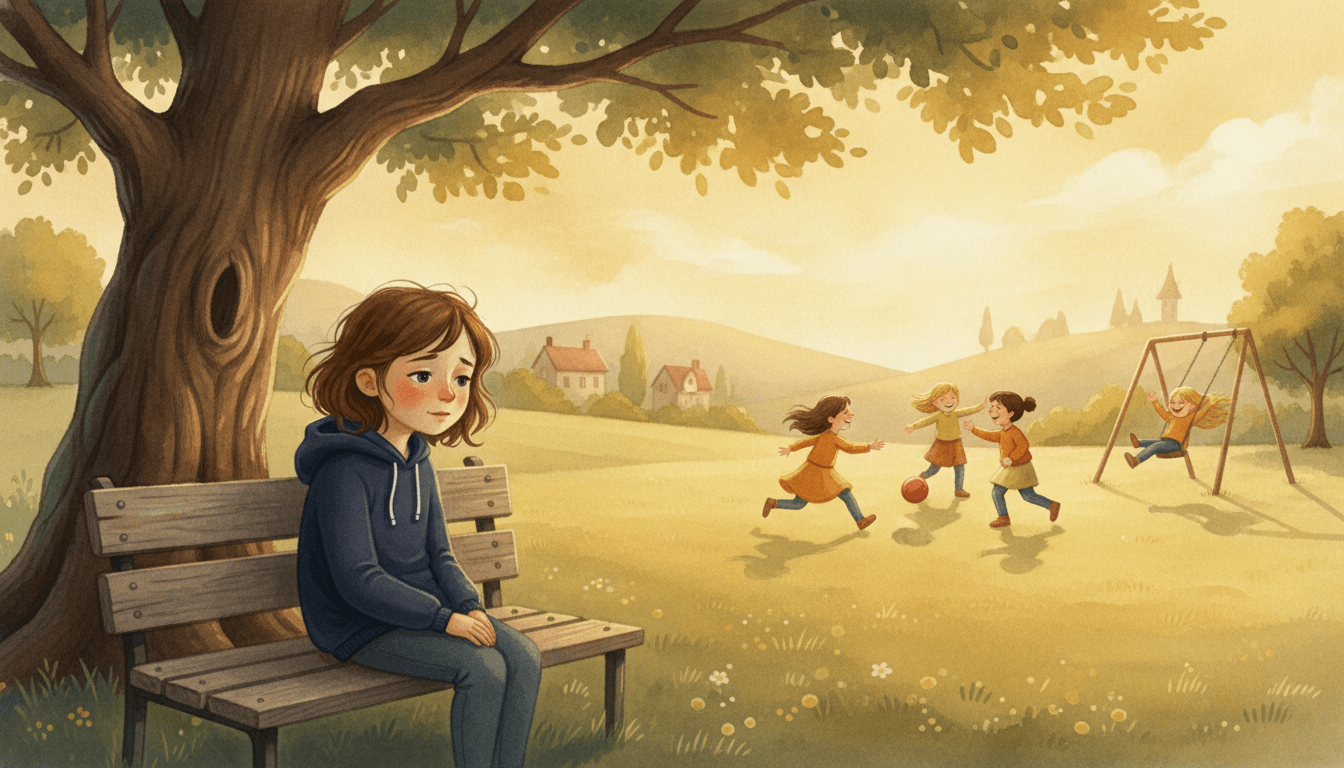
E_very parent dreams of seeing their child surrounded by laughter, shared secrets, and the warmth of genuine friendship. It’s a fundamental part of a happy childhood, a cornerstone for developing social skills and a sense of belonging.
Yet, for many children, making friends doesn't come easily. As parents, witnessing your child struggle to connect, feeling left out, or spending time alone can be incredibly difficult.
You might wonder what you can do, if you're doing enough, or if there's a secret ingredient you're missing. The truth is, helping your child forge friendships is a journey, and you are their most important guide.
The desire for your child to feel connected and loved by peers is profound, and their struggles can feel like your own.
Why This Happens: Understanding Your Child
Children develop social skills at different paces, much like they learn to walk or talk. For a 3-year-old, friendship might mean parallel play – enjoying activities near another child without much direct interaction.
By age 5 or 6, they start to engage in associative play, sharing toys and talking, but often still focused on their own activity. True cooperative play, where children work together towards a common goal, typically emerges later.
Some children are naturally more outgoing, easily striking up conversations. Others are more reserved, needing time to observe before they feel comfortable joining in. Neither is better; they are simply different temperaments.
Factors like shyness, difficulty reading social cues, or even just being in a new environment can make initiating friendships challenging. It’s not a reflection of their worth, but often a matter of developing specific skills.
What Your Child Is Feeling
Imagine being in a room full of people, wanting to join in, but feeling unsure of how to start. That’s often what it feels like for a child who struggles to make friends.
They might experience feelings of loneliness, frustration, or even confusion about why others seem to connect so easily. This can lead to decreased confidence, withdrawal, or sometimes even acting out as a way to gain attention.
Their internal world can be a mix of longing for connection and a fear of rejection. They might desperately want to play but freeze when presented with the opportunity, not knowing the 'right' thing to say or do.
Your child's desire for connection is as fundamental as their need for food and shelter. It's a journey, not a race.
What You Can Do: Practical Steps
As parents, you have a powerful role in nurturing your child's social development. You can equip them with the tools and confidence they need to navigate the social landscape. Here are some actionable steps you can take.
Model Friendly Behavior
Children learn by watching. Let your child see you engaging in friendly interactions – greeting neighbors, helping a friend, or striking up conversations. Talk about what makes a good friend and how you maintain your own friendships.
Create Low-Pressure Opportunities
Arrange one-on-one playdates with a child your child shows interest in, rather than large group settings. Choose activities that encourage cooperation, like building a fort or doing a puzzle, which takes the pressure off direct conversation.
Teach Specific Social Skills
Break down social interactions into smaller steps. Practice greetings, asking to join play, sharing, taking turns, and active listening. Use puppets or role-playing to rehearse these skills in a safe, fun environment.
Coach Through Scenarios
Discuss potential social situations beforehand. 'What if someone doesn't want to play?' 'What could you say if you want to join a game?' This helps your child feel more prepared and less anxious when faced with real-life moments.
Encourage Shared Interests
Help your child find activities where they can connect with others over a common passion. This could be a sports team, a book club, an art class, or even a playground with a shared love for slides. Shared interests are natural friendship magnets.
Be a Safe Harbor for Feelings
When your child comes to you with friendship woes, listen without judgment or immediate solutions. Validate their feelings: 'That sounds really hard.' Help them process emotions before brainstorming next steps. Reassure them of your unconditional love and support.
Manage Your Own Expectations
Friendships take time to develop. Some children prefer one or two close friends over a large group. Focus on quality over quantity and celebrate every small step your child makes in connecting with others. Patience is key.
How Bedtime Stories Can Help
Bedtime is a magical time for connection, and storytelling offers a unique, powerful way to explore social challenges. Through stories, children can safely 'try on' different social roles and strategies without real-world pressure.
When your child hears a story about a character who feels shy, learns to share, or navigates a tricky friendship situation, they gain insights and empathy. They can see themselves in the hero and learn valuable lessons about kindness, communication, and resilience.
FableJar takes this a step further by creating personalized stories where your child is the hero. Imagine a tale where *they* overcome shyness to invite a new friend to play, or where *they* learn the joy of sharing a favorite toy.
Leo's Wobbly Welcome
Leo clutched his favorite plush dragon, Sparky, a little tighter. Today was his first day at the new playground, and a group of kids was already building an amazing castle in the sandbox. He really wanted to join, but his tummy felt like a wobbly jelly. 'What if they don't want me?' he whispered to Sparky.
Just then, a girl with bright red shoes looked up. 'Hey!' she called, 'Do you want to help us build a tower for our dragon? We need someone brave!' Leo's eyes widened. She had said 'dragon'! Taking a deep breath, he imagined Sparky whispering courage in his ear. 'Okay!' he said, a smile finally peeking out, and slowly walked towards the sandbox, Sparky still tucked under his arm.
Create Your Child's Story FreeMoving Forward
Helping your child make friends is a marathon, not a sprint. There will be good days and challenging days. Your unwavering support, patience, and love are the most powerful tools you possess.
By understanding their unique journey, providing practical guidance, and using the magic of storytelling, you can empower your child to build the meaningful connections they deserve, fostering a childhood rich with friendship and joy.
Help Your Child Through Stories
Every night, FableJar creates a personalised bedtime story where your child is the hero — helping them work through the exact challenge you're facing.
Create a Free StoryNo credit card required. First story is free.
Get weekly story ideas for your child
One email a week. Real parenting challenges. Story-based solutions. No spam.
Join 5,000+ parents. Unsubscribe anytime.
Keep reading
A Simple Way to Build Confidence in Kids Every Night
Confidence isn't built in big moments. It's built in small ones — like hearing yourself succeed in a story.
What to Do When Your Child Is Afraid of the Dark
Telling them 'there's nothing there' doesn't work. Here's what does — and how a story can reframe the dark.
How to Talk to Kids About Bullying (That Actually Works)
Most anti-bullying talks go over kids' heads. Stories that model real responses give them tools they can use.