How to Help my Child who is being Bullied at School
Discover empathetic strategies and practical steps to support your child, rebuild their confidence, and ensure peaceful bedtimes.
Seeing your child hurt by others is one of the most painful experiences a parent can face.
By FableJar Team ·

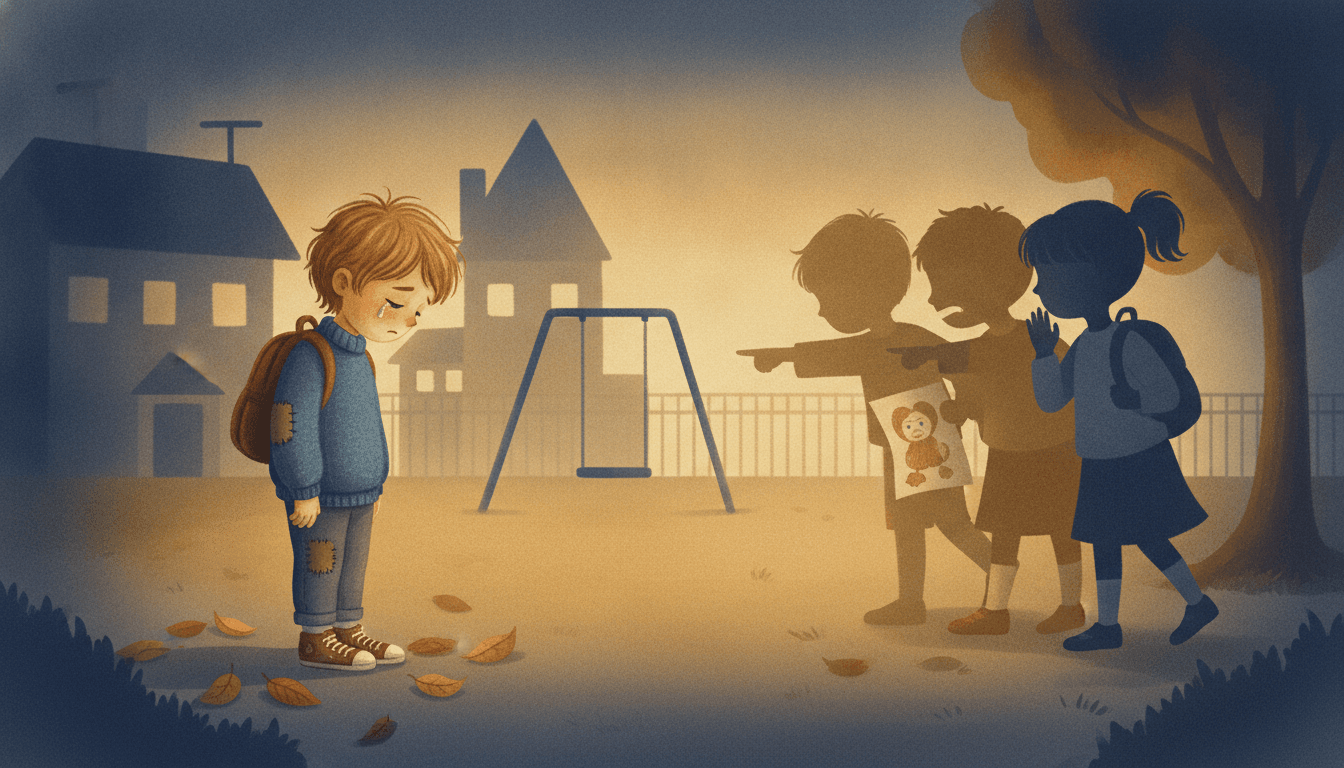
Few things feel as devastating as discovering your child is being bullied. That knot in your stomach, the surge of protective anger, and the overwhelming desire to make it stop — these are universal feelings for parents. You want to shield them, to fix it, to erase the pain.
But knowing how to effectively help your child navigate this challenge can feel incredibly daunting.
Your child's pain is your pain, and you're not alone in feeling lost.
Why This Happens: Understanding Your Child
Bullying is a complex issue, rarely about one simple cause. Often, children who bully are struggling themselves, perhaps seeking control, attention, or mirroring behaviors they've seen. Understanding this doesn't excuse the behavior, but it helps us frame the situation.
For the child being bullied, it's never their fault. They might be targeted for a myriad of reasons: being new, quiet, different, or even just being perceived as an easy target. It's crucial for them to understand that the bully's actions reflect on the bully, not on them.
The power dynamic is key. Bullies thrive on a perceived imbalance, using words or actions to assert dominance. This can leave a child feeling powerless, confused, and deeply hurt, struggling to comprehend why they've been singled out.
Sometimes, children might not even realize their actions are bullying. They could be imitating older kids or simply testing boundaries without understanding the profound impact of their words or deeds. This doesn't lessen the pain, but it highlights the need for clear communication and intervention.
What Your Child Is Feeling
When a child is being bullied, their world can feel like it's shrinking. They might experience a whirlwind of emotions: fear of going to school, shame about what's happening, or profound sadness. This emotional weight can be invisible to others.
They might struggle to articulate their feelings, especially younger children. They might withdraw, become unusually quiet, or show changes in behavior like increased irritability, sleep disturbances, or a sudden reluctance to participate in activities they once loved. Pay close attention to these subtle cues.
The feeling of isolation can be particularly acute. A child might feel like they are the only one, or that no one understands. This can lead to a sense of hopelessness, making it even harder for them to reach out for help.
Their sense of safety is often compromised, leading to anxiety.
The most powerful tool you have is your unconditional love and a safe space for your child to share their fears.
What You Can Do: Practical Steps
Navigating bullying requires a blend of empathy, patience, and strategic action. As parents, our role is to be a steadfast anchor, helping our children find their voice and reclaim their sense of safety and self-worth. Here’s how you can start.
Create a Safe Space to Talk
Approach conversations gently and without judgment. Instead of 'What happened?', try 'I've noticed you seem a bit down lately. Is there anything you'd like to talk about?' Let them lead. Emphasize that you're there to listen, no matter what they share.
Validate Their Feelings, Don't Dismiss Them
It's tempting to say 'Just ignore them,' but this can invalidate their pain. Acknowledge their hurt: 'That sounds really unfair and upsetting.' Let them know their feelings are normal and that you believe them. This builds trust and encourages further sharing.
Empower Them with Practical Strategies
Role-play responses together. Practice assertive phrases like 'Stop, I don't like that' or 'Leave me alone.' Discuss when and how to seek help from a trusted adult. Help them understand that walking away is a sign of strength, not weakness, and that safety is paramount.
Partner with the School (Thoughtfully)
Once you have your child's consent and a clear understanding of the situation, schedule a meeting with their teacher or school counselor. Share specific incidents, dates, and names if possible. Work collaboratively on a plan, focusing on solutions that protect your child without escalating the situation unnecessarily. Document everything.
Rebuild Confidence and Self-Esteem
Bullying can erode a child's self-worth. Focus on their strengths, talents, and positive qualities. Encourage hobbies, friendships, and activities that make them feel good about themselves. Remind them daily of their unique value and resilience, reinforcing their inner strength.
Prioritize Rest and Routine
Stress can severely impact sleep. Maintain a consistent, calming bedtime routine. Ensure they have a quiet, comforting space to unwind. Good rest helps children process emotions and build resilience, making them better equipped to face challenges and manage their feelings during the day.
Model Healthy Coping Mechanisms
Show your child how you handle stress or difficult situations in your own life. Talk about your feelings, demonstrate problem-solving, and emphasize the importance of seeking support. They learn valuable lessons by observing your resilience and emotional intelligence, and how to navigate life's ups and downs.
How Bedtime Stories Can Help
Bedtime is a uniquely powerful time for connection and healing. Stories offer a safe, imaginative space for children to explore complex emotions, process difficult experiences, and build resilience without direct confrontation. The quiet comfort of a story can be a balm for a troubled mind.
Through characters who face similar challenges, children can find a voice for their own feelings. They can witness heroes overcome adversity, learn problem-solving skills, and internalize messages of courage, kindness, and self-worth. This indirect learning is incredibly effective for young minds, helping them process without pressure.
A personalized story, where they are the hero, can be especially transformative. It allows them to envision themselves as strong, capable, and surrounded by support, turning a scary situation into an opportunity for growth and mastery. It helps them reclaim their power in a gentle, empowering way, fostering peaceful sleep.
Leo the Lion Learns His Roar
Leo the lion cub loved to play, but lately, a bigger cub named Spike had been pushing him around. Spike would call Leo names and hide his favorite bouncy ball. Leo felt a tight knot in his tummy every morning, making him want to stay curled up in his den, wishing he could just disappear.
One evening, Leo's wise mother told him a story about a little bird who found her voice. 'Sometimes,' she whispered, 'the bravest thing is to speak up, not with a roar of anger, but with a clear, steady voice that says, "Stop, I don't like that." It's your special roar, Leo, and it's stronger than any push. It shows you know your worth.' And as Leo drifted to sleep, he imagined his own steady, brave roar.
Create Your Child's Story FreeMoving Forward
Helping your child through bullying is a journey, not a single event. There will be good days and challenging ones. Remember to be patient, both with your child and with yourself. Your unwavering support, your listening ear, and your consistent love are the most crucial shields you can offer.
Focus on nurturing their inner strength, reminding them of their inherent worth, and equipping them with the tools they need to navigate social complexities.
With your love and guidance, they can emerge from this experience not just healed, but stronger and more resilient than ever, ready to face the world with confidence.
Help Your Child Through Stories
Every night, FableJar creates a personalised bedtime story where your child is the hero — helping them work through the exact challenge you're facing.
Create a Free StoryNo credit card required. First story is free.
Get weekly story ideas for your child
One email a week. Real parenting challenges. Story-based solutions. No spam.
Join 5,000+ parents. Unsubscribe anytime.
Keep reading
A Simple Way to Build Confidence in Kids Every Night
Confidence isn't built in big moments. It's built in small ones — like hearing yourself succeed in a story.
What to Do When Your Child Is Afraid of the Dark
Telling them 'there's nothing there' doesn't work. Here's what does — and how a story can reframe the dark.
How to Talk to Kids About Bullying (That Actually Works)
Most anti-bullying talks go over kids' heads. Stories that model real responses give them tools they can use.